Visible changes on the skin or inside the mouth often act as early warning signs for deeper health concerns. While a rash or red spot might seem minor at first, these symptoms could be signals of infections, allergic reactions, or immune system disorders. From itchy red patches to fluid-filled blisters or red spots on the tongue, understanding the potential causes behind these symptoms is crucial for early intervention and proper treatment. In this article, we explore several common medical conditions associated with visible skin and oral manifestations—and how to recognize when it’s time to seek medical attention.
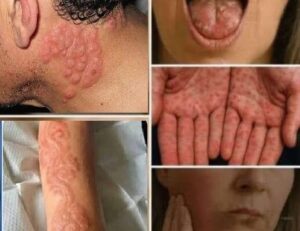
Herpes Zoster (Shingles)
One of the most recognizable signs is a cluster of fluid-filled blisters that appear on one side of the body, often near the neck, torso, or face. This condition is known as Herpes Zoster, or shingles, and it’s caused by the reactivation of the varicella-zoster virus—the same virus responsible for chickenpox.

Key Symptoms Painful, red, fluid-filled blisters forming a band-like pattern Sensitivity, tingling, or burning pain before rash appears Typically confined to one side of the body or face Who’s at Risk? Adults over age 50 Individuals with weakened immune systems Those who previously had chickenpox While shingles is not life-threatening, the pain can be intense. Early antiviral medications can help shorten the duration of the illness and reduce the risk of complications such as nerve pain (postherpetic neuralgia).
Hand, Foot, and Mouth Disease (HFMD)
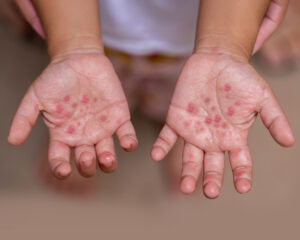
Red spots on the tongue, mouth, palms, or soles may suggest Hand, Foot, and Mouth Disease (HFMD). Though most common in children, adults can also contract this contagious viral illness. Common Symptoms Small red lesions or ulcers inside the mouth and on the tongue Rash or red spots on the hands, feet, and sometimes buttocks Low-grade fever, sore throat, and general fatigue HFMD typically resolves within 7–10 days without complications, but symptoms like dehydration can occur, especially in young children who struggle to drink due to mouth pain. Management Tips Encourage hydration with cold drinks or popsicles Isolate during the infectious stage (first week) Practice frequent handwashing to limit spread Tinea Corporis (Ringworm)
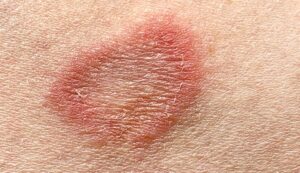
A circular, ring-like red rash with raised edges and a clear center is a classic presentation of Tinea Corporis, also known as ringworm—a fungal infection that thrives on skin surfaces. Signs to Look For Itchy, scaly patches that spread outward in a ring shape Defined red border with central clearing Commonly appears on arms, chest, legs, or back This fungal infection is transmitted through direct contact with infected individuals, pets, or contaminated surfaces like gym mats or towels. Treatment Options Over-the-counter topical antifungal creams (e.g., clotrimazole, terbinafine) Prescription oral antifungals for severe or widespread cases Avoid sharing personal items like razors or towels Contact Dermatitis or Allergic Reaction
Red, irritated skin that appears suddenly and is itchy or swollen could be Contact Dermatitis. This reaction occurs when skin comes into contact with allergens or irritants such as soaps, detergents, plants, or chemicals. Typical Symptoms Redness, itching, and inflammation Swollen skin or blisters Clear borders outlining the contact area The rash can occur on any body part but is commonly found on hands, neck, or forearms—areas frequently exposed to external substances. How to Manage It Remove or avoid the irritant or allergen Apply hydrocortisone creams to reduce inflammation Use soothing lotions like calamine to ease itching In most cases, the rash resolves within a week or two, but recurring exposures may lead to chronic skin sensitivity.
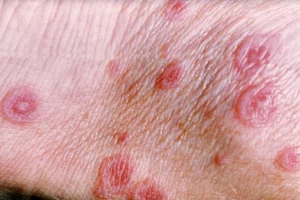
Erythema Multiforme
If the red patches resemble concentric rings or “target” lesions—especially on the hands, arms, or mouth—it may be Erythema Multiforme, a hypersensitivity reaction often triggered by infections or medications. Characteristics Round, red lesions with dark centers (target-shaped) Typically symmetrical and located on extremities May involve the lips and inside of the mouth Sometimes associated with fever or fatigue Mild forms of Erythema Multiforme resolve on their own, but more serious cases involving mucous membranes may require prescription corticosteroids or hospitalization. Common Triggers Herpes Simplex Virus (HSV) outbreaks Certain antibiotics or anti-inflammatory drugs Infections like pneumonia or hepatitis
When Should You See a Doctor?
While many rashes or blisters are harmless and resolve with home care, there are situations where professional evaluation is necessary: Painful blisters accompanied by fever or fatigue Rapidly spreading rash or swelling Lesions inside the mouth, near the eyes, or genitals Rash that does not respond to over-the-counter treatments Symptoms lasting more than 10 days or worsening over time Only a healthcare provider can determine the correct diagnosis and prescribe the appropriate treatment. Misidentifying a condition could lead to ineffective or harmful self-treatment.
General Tips for Skin and Oral Symptom Management
Proper care and awareness can reduce the risk of complications and prevent the spread of infectious conditions: 1. Maintain Hygiene Wash hands frequently, especially after touching affected areas. Avoid scratching to prevent infection or spreading. 2. Don’t Self-Diagnose Skin and oral symptoms may appear similar across different diseases. Using the wrong creams or medications could worsen the condition. 3. Monitor Progression Take daily photos of visible changes. This can assist doctors in tracking severity and response to treatment. 4. Isolate if Needed If you suspect an infectious illness (such as HFMD or shingles), limit contact with others until symptoms subside. 5. Avoid Shared Items Disinfect surfaces and avoid sharing towels, lip products, or utensils—especially if lesions are present in or around the mouth. Conclusion Changes to your skin, mouth, or hands can offer vital clues about what’s happening inside your body. Whether it’s the burning blisters of shingles, the red spots of HFMD, or the ring-shaped rash of fungal infection, these symptoms should not be ignored.

Timely recognition and medical consultation can prevent complications, reduce transmission, and speed up recovery. If you’re experiencing any of the symptoms described—especially in combination or if they persist—reach out to a qualified healthcare provider for guidance. Early action is the best defense against worsening conditions, and understanding these warning signs can empower you to take control of your health. Search Search Recent Posts Donald Trump Gets More Bad News… Young woman was hospitalized after being penetrated…See more The penis of black men is more…See more Estudios revelan que tragarse el semen de tu pareja… Leer más 20 Early Signs That A.cancer Is Growing In Your Body Recent Comments A WordPress Commenter on Hello world! Archives November 2025 September 2025 August 2025 July 2025 June 2025 May 2025 Categories Uncategorized