A devastating fire tore through the Pamplona Alta sector of San Juan de Miraflores in Lima on Saturday afternoon, leaving hundreds of residents displaced and turning large portions of the hillside community into ashes. The blaze spread at alarming speed through the densely packed neighborhood, where many homes are built from highly flammable materials such as wood, plywood, and corrugated metal sheets. Within minutes, thick black smoke covered the sky, and flames could be seen leaping from rooftop to rooftop as families rushed to escape.
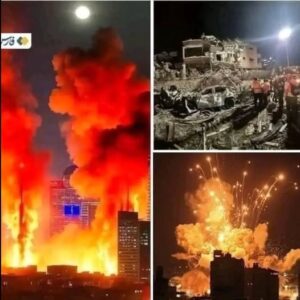
Witnesses described scenes of panic as residents grabbed children, elderly relatives, and whatever belongings they could carry before fleeing the advancing fire. Many families lost everything they owned in a matter of minutes. Local media and emergency services estimate that between 100 and more than 300 homes were damaged or completely destroyed, making this one of the most destructive fires the district has experienced in recent years.
Firefighters faced enormous challenges as they battled the inferno. The narrow, steep streets of Pamplona Alta made it difficult for large emergency vehicles to access the heart of the blaze. Water pressure issues and the risk of explosions further complicated their work. Multiple fire units were deployed from across Lima to prevent the flames from spreading into neighboring communities. After hours of intense firefighting, crews finally managed to bring the fire under control, though hot spots continued to smolder into the night. Preliminary investigations suggest that the fire may have originated near an illegal pyrotechnics workshop operating in the area. Several videos circulating on social media appear to show small explosions during the early stages of the blaze, consistent with fireworks or stored flammable materials igniting. Authorities have secured the suspected origin site and launched a full investigation to determine exact responsibility.
Despite the massive destruction, officials confirmed that there were no fatalities. Several residents were treated for minor burns, smoke inhalation, and shock. Many others are now facing the harsh reality of being homeless overnight. Temporary shelters have been opened in nearby schools and community centers, where displaced families are receiving food, water, clothing, and basic medical care. Humanitarian organizations and municipal authorities have also begun coordinating relief efforts and collecting donations. Pamplona Alta is a low-income area where many residents rely on informal work, making recovery especially difficult. Community leaders say the emotional toll is just as severe as the physical destruction, with families struggling to process the sudden loss of homes built over decades. Urban safety experts have again warned about the heightened fire risks in informal settlements, where overcrowding, unsafe electrical connections, and unauthorized workshops are common. Government officials have pledged support for those affected and promised to evaluate long-term housing and rebuilding solutions. The disaster has reignited calls for stronger safety regulations, better enforcement, and improved urban planning to protect vulnerable communities from similar tragedies in the future. As the smoke clears, hundreds of families now face the long road of rebuilding their lives from the ashes.